
Owning a seasonal home is a dream, but safeguarding it can present some real challenges. We’ve had conversations with clients who wonder if they’re truly covered when their vacation homes sit empty for months or host guests during busy stretches. Have you found yourself questioning whether your current policy leaves gaps when seasons change? You’re not alone.
As insurance professionals, we know the peace of mind that comes from the right coverage. Let’s break down what’s essential for seasonal home coverage, clear up the confusion, and help you feel confident during every season.
Protect Your Vacation Home—Season After Season
Seasonal homes face risks that standard policies often miss. At Chapman Insurance Group, we specialize in building flexible, Florida-smart coverage for second homes, cottages, and coastal getaways. Whether your home sits empty part of the year or hosts guests, we’ll help you stay covered from storm season to ski season.
Why choose us? We work with 35+ carriers and understand the unique challenges of seasonal homeownership—vacancy exclusions, rental gaps, and high-value structures like docks or guesthouses. See why more Floridians trust CIG for thorough coverage and proactive annual reviews.
Ready to feel confident in your second home insurance? Contact us today for a quick checkup or full policy update.
Key Takeaways
- Review your seasonal home coverage annually to ensure it aligns with changes in property use, value, and location-specific risks.
- Seasonal home insurance differs from standard policies and should be tailored to address vacancy, guest stays, and unique structures like docks or outbuildings.
- Watch for common exclusions in seasonal home coverage, such as vacancy periods, water damage from frozen pipes, or natural disasters.
- Bundling your seasonal home policy with other insurance, installing security tech, and regular maintenance can optimize protection and lower premiums.
- Clarify your policy details and request customization if you rent your property, make upgrades, or your lifestyle changes.
Understanding Seasonal Home Insurance
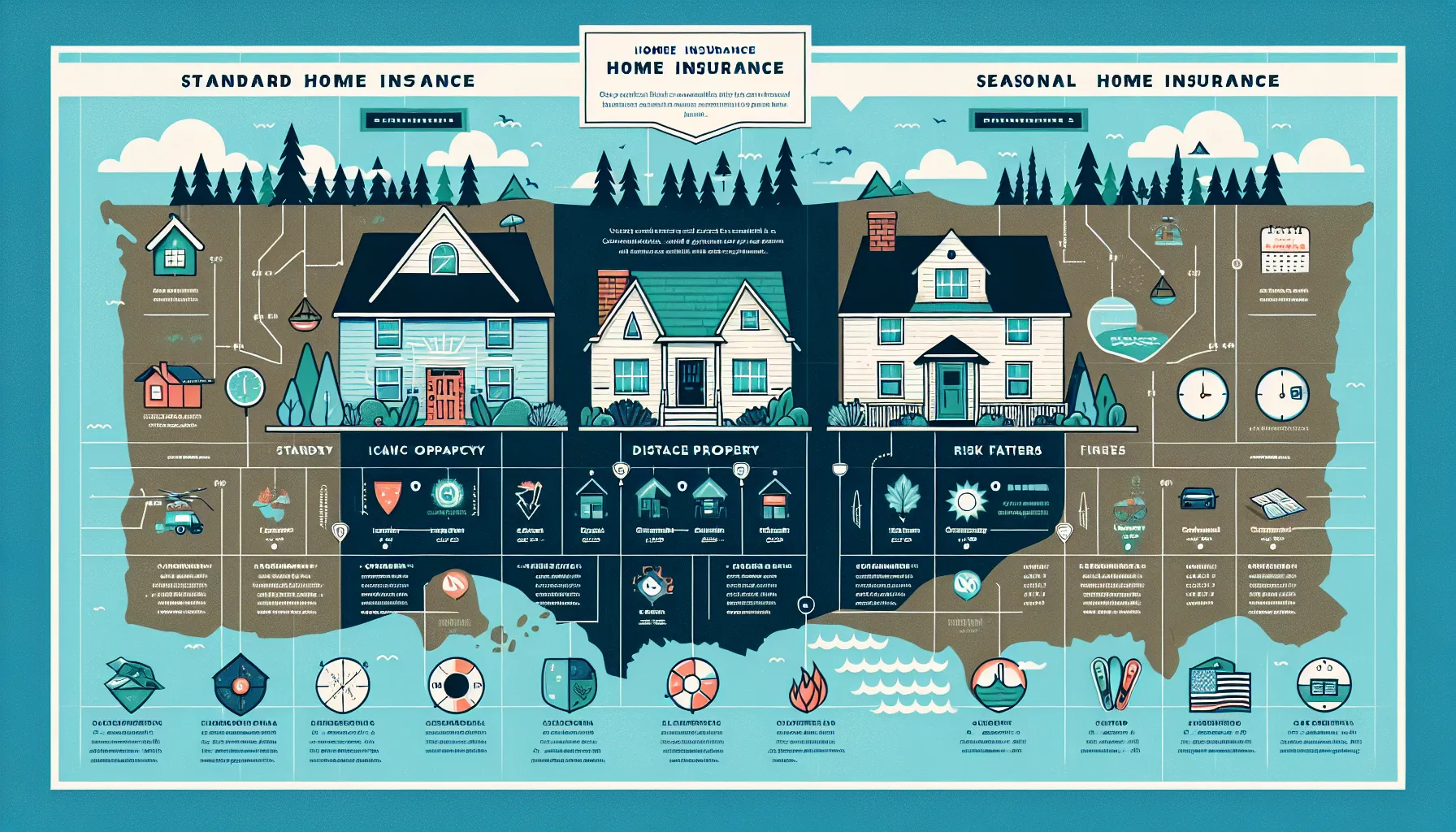
Seasonal home insurance is crafted for properties that aren’t your primary residence but where you spend special parts of the year, think beach cottages, ski cabins, or lakeside retreats. Because these homes often sit vacant for weeks or months, the risks look different from those tied to a full-time home.
Unlike standard homeowners insurance, seasonal policies often take into account factors like infrequent visits, extended periods without occupancy, and distance from emergency services. These differences can affect both the pricing and the specifics of what’s protected.
Do you ever worry that your holiday cottage isn’t as protected as your main home? It’s a valid concern, and that’s why understanding the unique aspects of seasonal home insurance gives you the clarity you deserve.
Types of Policies for Seasonal Homes
Every seasonal property is a little different. The kind of policy you need depends on how you use your home during the year. Here are the most common options we help clients consider:
- Standard Seasonal Home Insurance: This is designed for typical vacation homes used only part-time by the owner and their family.
- Rental Endorsements or Landlord Coverage: If you occasionally rent out your property, you’ll want coverage for guest-related issues, things like liability for tenant injuries or property damage.
- Comprehensive Second Home Policies: These can bundle protection for multiple seasonal residences and cater to more complex needs, such as outbuildings or personal watercraft.
Have you checked whether your current policy type matches how you actually use your property? It’s important, we’ve seen cases where a homeowner thought they were covered, only to discover exclusions because the home was rented out occasionally.
We’ll walk you through your options and help select a policy that fits your circumstances, year after year.
Key Coverage Considerations for Seasonal Properties
Let’s talk about what to look for in your seasonal home coverage. Many policies offer the basics, coverage for the structure, your personal belongings, and liability, but there are subtle, critical details we’ll help you spot.
Dwelling Coverage Amounts
Check if your policy’s replacement cost accounts for spikes in local construction costs. Seasonal areas can face price surges due to storms or supply shortages.
Liability Protection
With guests or renters, liability concerns rise. We usually recommend boosting coverage limits and looking into umbrella insurance for extra peace of mind.
Coverage for Structures and Amenities
Do you have a dock, boathouse, or detached garage? Verify that these features are specifically listed and valued. Umbrella policies or separate endorsements may be warranted.
Personal Property Controls
Are you keeping valuables at your vacation home? Some policies limit coverage for jewelry, electronics, or watercraft, especially if theft is more likely with a vacant property.
Together, we can evaluate these considerations and make sure gaps don’t go unnoticed.
Common Risks and Exclusions to Watch For
What catches seasonal homeowners off guard? Certain exclusions and risks come up repeatedly:
- Vacancy Clauses: Many policies reduce or eliminate coverage if your home is unoccupied beyond a set period (often 30-60 consecutive days).
- Water Damage from Frozen Pipes: Not all policies cover this risk, especially if the insurer thinks basic safeguards weren’t taken to prevent it.
- Natural Disaster Exclusions: Flooding, earthquakes, and windstorm coverage can be partial or excluded, depending on location and policy type.
- Vermin and Pest Damage: Issues from rodents or insects may not be included, and repairs can be expensive.
We recommend checking your exclusions section carefully. Is there an exclusion that makes you pause? Let’s address it together so there aren’t surprises when you need to file a claim.
Periodic Review: Why and How Often?
Insurance isn’t a set-it-and-forget-it item, especially for seasonal homes. Has your local risk changed? Are you renting more often? Did you upgrade the kitchen or add new outdoor spaces?
We advise scheduling a review of your seasonal home policy at least once a year, preferably before your primary use season. It’s a great time to highlight any changes in property value, add new coverages, or just clarify what is and isn’t included. If you have significant life events, like a marriage, new children, or retirement, let’s jump on a call sooner.
This review keeps you current and helps catch gaps early, not after a loss. How often do you revisit your coverage? If it’s been a while, you’re due for a check-in.
Tips for Optimizing Your Seasonal Home Coverage
Getting the most from your insurance doesn’t have to be complicated. Here are some straightforward strategies we often recommend:
- Bundle Policies: Group your home, flood, and auto policies for savings and simplicity. Many insurers offer multi-policy discounts that add up.
- Install Security and Smart Home Tech: Smoke detectors, leak sensors, or remote monitoring can help lower premiums while adding another layer of security, especially for homes that sit empty.
- Regular Maintenance: Keep up with weatherproofing, check pipes before winter, and service HVAC to reduce risks. Insurers reward proactive care.
- Document Everything: Photos, receipts, and inventories make claims faster and easier. Cloud storage keeps everything accessible, even when you’re away from the property.
- Ask for Customization: Your needs change over time. Don’t hesitate to request policy changes if you’re planning more rentals, upgrading appliances, or adding amenities.
Have questions about discounts or coverages you’re missing? Let’s explore them together to get the protection that’s right for your lifestyle.
Conclusion
Your seasonal home is more than property, it’s your family’s retreat, a source of lasting memories, and an important investment. Protecting it takes a proactive and thorough approach to insurance. We believe real confidence comes from understanding your options, reviewing coverage regularly, and having a professional who listens and guides you.
Ready to review your seasonal home coverage with someone who will take the time to answer your questions? Let’s connect and make sure you’re fully protected, no matter the season ahead.
Seasonal Home Coverage Review: Frequently Asked Questions
What is seasonal home coverage and how is it different from standard homeowners insurance?
Seasonal home coverage is designed for properties you occupy only part of the year, such as vacation homes. Unlike standard homeowners insurance, it accounts for extended absences, higher vacancy risks, and may have stricter requirements or exclusions. Coverage and pricing can differ significantly.
How often should I review my seasonal home insurance policy?
It’s best to review your seasonal home coverage at least once a year, preferably before your home’s primary use season. Consider additional reviews if you’ve renovated, begun renting more often, or experienced changes in property value or life circumstances.
Are natural disasters like floods and windstorms covered under seasonal home insurance?
Many seasonal home policies have exclusions for certain natural disasters, such as floods, earthquakes, or windstorms. Coverage varies by location and provider. You may need separate policies or endorsements to ensure full protection against these risks.
What are common exclusions in seasonal home coverage?
Typical exclusions include vacancy clauses (when homes are empty too long), water damage from frozen pipes, and vermin or pest damage. It’s essential to read your policy’s exclusions section closely as some risks, like theft or weather-related losses, may not be fully covered.
How can I reduce premiums on my seasonal home insurance?
To lower premiums, consider bundling policies (home, auto, flood), installing security systems or smart tech, and performing regular maintenance. Insurers often offer discounts for proactive measures that reduce risk, such as monitoring systems and weatherproofing.
Can I rent out my seasonal home and still maintain full coverage?
If you rent your seasonal home, standard seasonal coverage may not be enough. Ask about rental endorsements or landlord coverage to protect against tenant-caused damage and additional liabilities during guest stays. Always confirm your usage matches your policy’s terms.