
Have you ever wondered what it means to reset flood insurance coverage, or why it might matter for your home or business? If you’re like many of us, insurance can sometimes feel confusing or distant, especially with the potential for unexpected flooding around every corner in places like Florida. You want security, but you also want straight answers. We’re here to guide you with clarity and real understanding. Managing flood risks shouldn’t be overwhelming.
Let’s clear up the questions around resetting your flood insurance, explore the process, and highlight what steps you can take so you can feel confident every time storm clouds gather. Ready to take the guesswork out of flood protection? Let’s begin.
Resetting Flood Insurance? We Make It Simple and Secure
If your flood insurance is expiring, switching carriers, or updating after major home changes, it’s time for a reset—but that doesn’t mean you have to figure it out alone. At Chapman Insurance Group, we guide you through every step to ensure your new policy is strong, compliant, and ready when the next storm hits.
Why choose us? See why Florida homeowners trust CIG—we know the local flood zones, FEMA regulations, and policy pitfalls that can trip you up. Our agents make it easy to stay protected without overpaying or risking gaps in coverage.
Ready to reset your flood insurance with confidence? Contact us today for expert help and a customized quote.
Key Takeaways
- Resetting flood insurance coverage means starting a new policy term, which can affect your premiums, coverage limits, and waiting periods.
- Coverage resets often occur due to policy expiry, changing insurers, major property amendments, or a change in property ownership.
- Carefully managing the reset process helps you avoid gaps in flood insurance protection, especially during high-risk times.
- Always consult a knowledgeable agent to ensure your flood insurance reset meets your needs and maintains lender compliance.
- After resetting your flood insurance coverage, review your new policy details and keep all documentation readily accessible for peace of mind.
Understanding Flood Insurance Coverage Resets
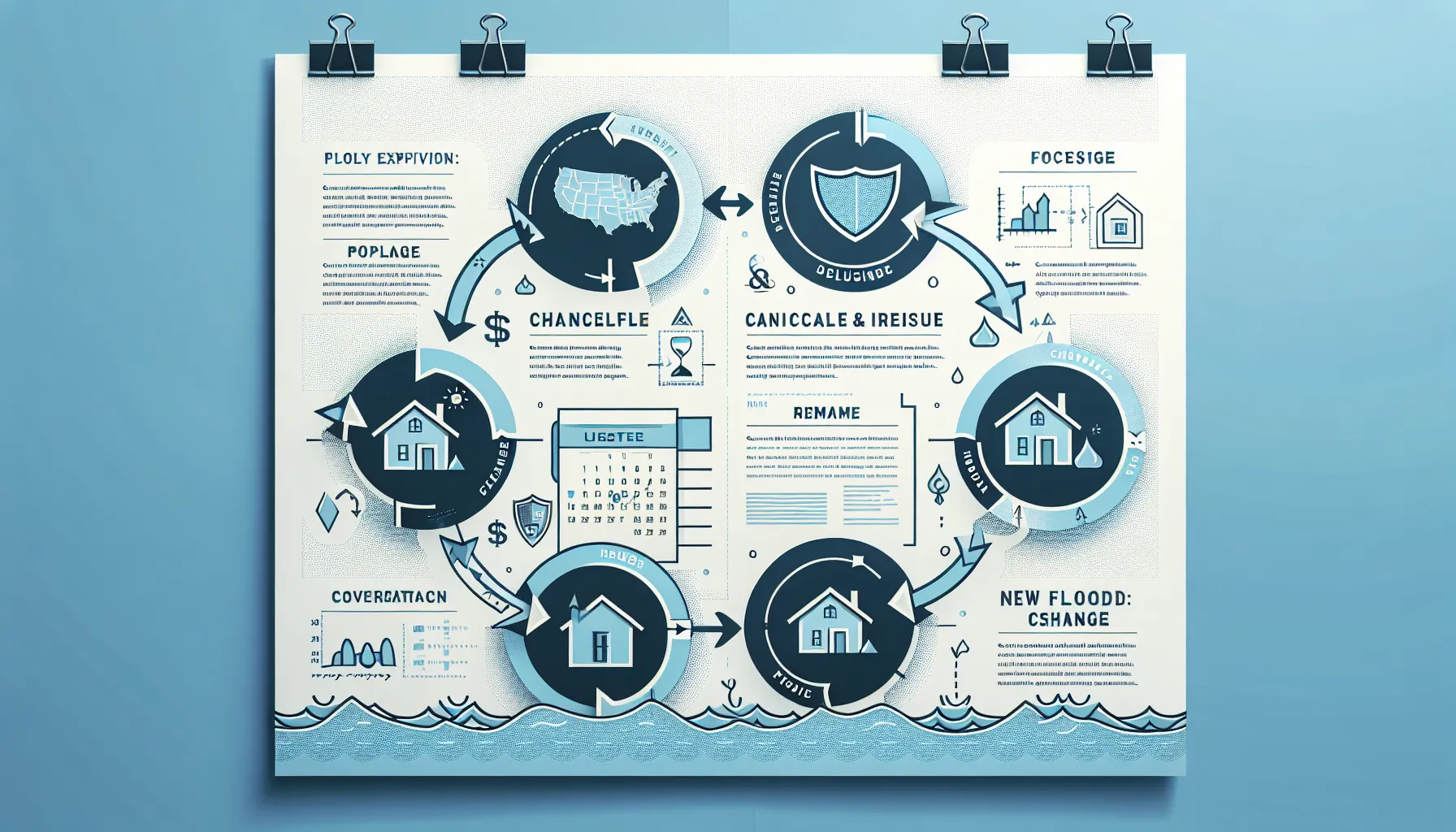
Flood insurance is designed to offer peace of mind when the weather turns. But did you know there are situations where your flood insurance coverage can be reset, essentially starting a new policy period or altering your coverage limits?
A reset of flood insurance coverage means your policy’s terms, coverage limits, and effective dates return to their initial settings. This can happen due to expiration, policy cancellation and reissue, or making substantial changes like switching providers. For many policyholders, especially those living in high-risk flood zones, understanding when and how this reset occurs is vital. It allows us to avoid lapses in protection and prepares us to respond should a claim arise.
Think of a reset as hitting the reset button on your coverage timeline, with everything, from premiums to deductibles, returning to square one. This affects your claims eligibility and may change your out-of-pocket costs. So, knowing what triggers a reset is not just important, it’s essential for effective risk management.
When and Why Flood Insurance Coverage Resets Occur

The reasons for a flood insurance reset can vary, but most often stem from changes in your policy’s status.
Some of the most common scenarios include:
- Policy Expiry: If your flood policy lapses and you’re purchasing a new one, this is considered a reset. Coverage options and waiting periods often start from the beginning.
- Switching Insurers: Any time you move from one insurance provider to another, maybe for better rates or additional features, a new policy is issued and your coverage resets.
- Major Amendments: Significant changes to your property (renovations, additions, or adjusting coverage limits) could require the insurer to redraft the policy, resulting in a reset.
- Changing Property Ownership: If the ownership of your home or business changes, even within your family, a new policy is required, initiating a reset.
Understanding the timing and motivation behind these resets helps us avoid coverage gaps. For example, if you’re in the middle of hurricane season, letting your policy lapse even briefly can expose your property to significant financial risk.
How to Reset Your Flood Insurance Coverage
Resetting your flood insurance isn’t complicated when you take things step by step. Here’s how we recommend approaching the process:
- Evaluate Your Needs: First, review your current policy details, limits, and any recent property changes affecting your exposure.
- Consult With an Agent: Working with a knowledgeable insurance agent (someone like Faith or Sam, mentioned in our client stories) ensures that all your questions are answered and that the process goes smoothly.
- Obtain Quotes: Gather updated quotes to see what coverage and premiums are available to you under a reset scenario. This is a chance to compare options.
- Submit Your Application: Complete required paperwork, which may include proof of prior coverage and property details.
- Observe Waiting Periods: Most policies come with a waiting period, often 30 days, before new coverage becomes active. Be sure to ask how this will impact your reset.
- Double-Check Coverage Start and End Dates: Confirm your new policy’s effective dates so you can avoid even the shortest gap.
Resetting can feel like starting fresh, but it also gives you an opportunity, maybe to save on premiums or improve coverage. Don’t rush: careful planning is key.
Factors Affecting the Reset Process
Several elements influence how and when your flood insurance resets. Let’s highlight the most important:
- Policy Type: Is your policy through the National Flood Insurance Program (NFIP) or a private insurer? Both have different requirements and timelines for resets.
- Lapse Duration: If there’s a gap between policies, the length of the gap can affect eligibility and waiting periods.
- Property Location and Flood Zone: Properties in high-risk areas often have stricter reset protocols and may face higher premiums post-reset.
- Claims History: A history of claims can impact policy terms going forward. Resetting won’t erase past claims from your record, but it can affect your future rates.
- Legislative or Regulatory Changes: Sometimes, new floodplain maps or federal guidelines will automatically trigger a reset, even if you didn’t request one.
By keeping an eye on these factors, we can make strategic decisions about when to renew or reset our coverage. It’s always wise to reach out to an experienced agent who can walk us through any complicated changes.
Implications of Resetting Your Coverage
Hitting the reset on your flood insurance impacts more than just paperwork. Here’s what we often encounter:
- Coverage Gaps: If you don’t manage the transition carefully, you could be left without coverage right when you need it most.
- Premium Changes: Rates may shift depending on new underwriting, recent claims, or updated flood zone maps.
- Eligibility Periods: New waiting periods may apply, which can delay your ability to file a claim if flooding occurs soon after resetting.
- Loan Requirements: If you have a mortgage, your lender may require continuous flood insurance. Gaps or resets must be coordinated with your lender to maintain compliance.
It’s important we look at both the short-term and long-term effects. While you might reset to improve value or protection, missteps could expose you to financial risk during weather events. Our clients tell us that the peace of mind from coordinated, continuous coverage is worth the careful planning involved.
Steps to Take After Resetting Your Flood Insurance
Once your flood insurance is reset, a few actions help keep you secure and informed:
- Review the New Policy: Check all details for accuracy, including property address, limits, exclusions, and premium.
- Store Important Documents: Keep physical and digital copies of your policy documents where you can access them quickly in an emergency.
- Inform Lenders or Other Stakeholders: If your mortgage or business loan depends on coverage, provide updated proof of insurance right away.
- Monitor for Policy Updates: Stay up-to-date with any changes to your area’s flood maps or insurance regulations that could impact your renewed policy.
- Schedule a Coverage Review: Set a reminder to review your coverage every year or after any significant life or property change.
Being proactive keeps small issues from becoming larger ones. Our clients who make these follow-up steps part of their routine report feeling more protected, even when the forecast is uncertain.
Conclusion
Resetting flood insurance coverage doesn’t need to feel overwhelming or mysterious. When we approach these moments with clear information and steady support, we protect what matters most, our homes, our investments, and our sense of security. Whether you’re updating your policy after buying a new home, making improvements, or simply seeking better peace of mind, the reset process can be smooth and beneficial if you follow a few key steps.
If you have questions or want a second opinion about your options, you’re not alone. Don’t hesitate to reach out to a licensed insurance expert. With the right guidance, flood insurance resets become a step forward in building the protection and confidence every family deserves.
Frequently Asked Questions About Resetting Flood Insurance Coverage
What does it mean to reset flood insurance coverage?
Resetting flood insurance coverage means starting a new policy period. Your policy terms, coverage limits, and effective dates return to their initial settings, often following expiration, major coverage changes, or switching insurance providers.
When might my flood insurance coverage reset?
Coverage can reset if your policy expires, you switch insurance providers, make major amendments to your coverage, or change property ownership. Understanding these triggers helps you avoid lapses and stay protected against flood risks.
How do I reset my flood insurance coverage?
To reset flood insurance coverage, review your current policy, consult with an agent, get quotes, submit an application, and observe any waiting periods. Double-check that your new policy’s dates align to prevent any gaps in coverage.
Are there waiting periods if I reset my flood insurance coverage?
Yes, most flood insurance policies include a waiting period, often about 30 days, before new or reset coverage becomes active. It’s important to plan accordingly, especially during high-risk storm seasons.
What happens if I let my flood insurance policy lapse before resetting?
Letting your flood insurance policy lapse can expose your property to significant financial risk. Gaps may affect your eligibility and could result in a longer waiting period before your new coverage takes effect.
Can resetting flood insurance coverage save me money?
Resetting your coverage can offer opportunities to shop for better rates or improved protection. Comparing policies during a reset may result in lower premiums or more suitable coverage, but be sure to weigh potential changes in policy terms or waiting periods.