
We’ve all been there, reviewing our insurance and feeling a bit overwhelmed by timing and changes. Do you ever worry about your policy expiring just before you manage to reset or renew it? You’re not alone. Understanding what happens when insurers reset a policy right before it lapses can give you confidence and clarity. Today, let’s break down these steps and explore why it matters to keep everything on track. Ready to make insurance feel a little less mysterious?
Don’t Let Your Coverage Skip a Beat—We’ll Handle the Reset for You
Worried your policy might lapse before you’ve had time to make updates? At Chapman Insurance Group, we help you stay covered through every transition—so a reset never feels like a setback.
Why choose us? We specialize in timely, personalized insurance resets that reflect real-life changes. Whether it’s a home renovation, new vehicle, or updated valuables, we make sure your coverage always fits—no gaps, no guesswork.
Have a renewal coming up or think a reset might be on the horizon? Contact us today and let our team walk you through every step to keep your protection seamless.
Key Takeaways
- An insurance reset before your policy lapses ensures continuous coverage and avoids any gaps that can lead to higher premiums or legal issues.
- Resetting your policy allows you to update coverage details, premiums, and add any recent life changes before renewal.
- Insurance resets typically occur due to upcoming renewals, regulatory changes, premium adjustments, or late payments, all aiming to simplify the process and protect you.
- A policy reset is a proactive step that gives you the opportunity to review, upgrade, or adjust your insurance to better match your current needs.
- Staying aware of renewal dates and communicating life changes early helps you navigate insurance resets smoothly and keeps your protection aligned.
What Is an Insurance Reset?

An insurance reset sounds technical, but it’s really just another term for restarting the terms of your policy before it’s scheduled to end. When an insurer resets a policy, they refresh aspects such as coverage details, premiums, or deductibles for the next coverage period. The goal? To maintain uninterrupted protection and continue the relationship without a gap.
Why does a reset happen? Often, this is done to update pricing, introduce new policy features, or reflect recent regulatory changes. We see this most often with auto, home, or business insurance. Rather than letting a policy expire and requiring a new application, a reset can simplify the process for everyone involved. It means you remain protected, paperwork is lighter, and you’re never left wondering if there’s a coverage gap.
Why Insurers Reset Policies Before Lapse
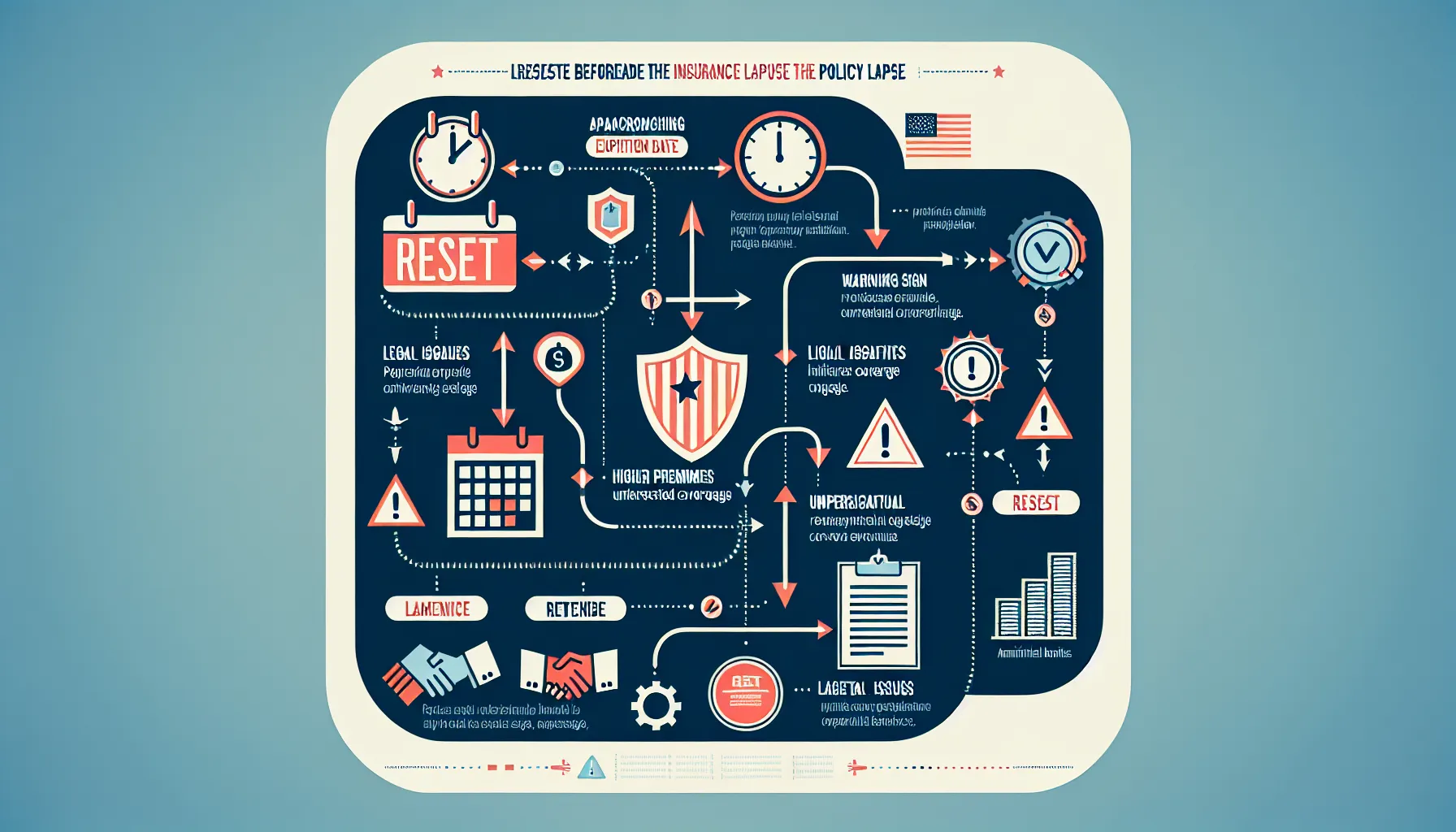
A reset just before a policy lapse serves a vital purpose. We want to help you prevent any disruption in your insurance coverage. When a policy lapses, even just for a day, it could lead to higher future premiums, legal difficulties (for auto or business), or uncovered claims.
By resetting your policy before the lapse date, insurers keep your protection seamless. It’s a proactive step. It also benefits the insurer, ensuring there are no administrative headaches or late payment issues. Plus, for us as your advocates, it’s an opportunity to review your needs and confirm that coverage still matches your situation. Sometimes, this reset period also lets you adjust or upgrade your protection without starting from scratch. Isn’t that a relief?
Common Scenarios for Insurance Reset Before Lapse
There are several situations where an insurance reset makes the most sense, particularly when the end of a policy term is approaching. Here’s where we often see it happen:
- Upcoming Renewal With Changes: If you’ve experienced life changes, like moving homes, adding a driver, or updating business assets, a reset allows the policy to reflect those updates before renewal.
- Regulatory or Market Adjustments: Insurers sometimes need to make changes to policies due to new laws or shifts in market risk. Rather than issue a new policy, they reset the existing one with these adjustments.
- Premium Recalculation: If recent claims, credit history changes, or other factors have impacted your risk profile, the insurer may reset your coverage to reflect new premiums or terms.
- Missed or Late Payments: Some insurers prefer resetting a policy instead of letting it lapse if a payment is received very close to lapse date. This minimizes risks for everyone.
Picture this: Your auto insurance is about to expire, but you just updated the number of drivers covered under the plan. Resetting rather than letting it lapse means no gaps in coverage and no added paperwork.
Implications of a Policy Reset for Policyholders
How does a reset impact you directly? Let’s walk through a few key effects.
- Continuous Coverage: The clearest benefit is staying protected. No surprises, no worries about uncovered incidents.
- Updated Coverage Terms: Your protection aligns with current needs. Didn’t remember to add your new engagement ring to your home insurance? A reset is a perfect time to update valuables.
- Possible Premium Changes: Depending on your circumstances, you might notice your rate adjust, up or down. This transparency helps you plan ahead.
- Opportunity for Review: Policy resets give us a chance to revisit your needs together. Has your family grown? Need flood protection now? This is the ideal moment to ramp up or fine-tune your coverage.
- No Policy Gaps: Perhaps most importantly, resetting avoids those frustrating, risky lapses that can spell trouble if an unexpected claim occurs.
Navigating through these changes might seem like a chore, but we’re here to make sure every detail is handled so you can focus on what matters to you.
How to Navigate Insurance Resets Effectively
Let’s face it, policy resets aren’t on anyone’s list of fun weekend activities. But a little preparation can turn what seems bothersome into an easy win.
Stay Ahead of Renewal Dates
Mark your insurance renewal dates on your calendar, so nothing catches you off guard. We always send reminders, too, but having it in your phone doesn’t hurt.
Communicate Any Life Changes Early
Small changes, like remodeling your kitchen or getting a new car, can impact your insurance needs. Telling us in advance helps keep your protection up to date.
Review Your Policy Annually
Even if your circumstances haven’t changed, a yearly review can uncover gaps or unnecessary coverage. It might even save you money.
Ask Questions
If something feels unclear, please ask. No question is too small or trivial. We’re always happy to walk through policy details or discuss new options.
Leverage Trusted Advice
With access to over 35 home carriers and more than a dozen auto carriers, we help you compare offers to find the options that suit you best. Personalized guidance makes resets smooth, not stressful.
With these steps, you can approach any insurance reset with confidence, knowing your best interests are at the center of every decision.
Conclusion
Having your insurance policy reset before it lapses doesn’t need to be a source of worry. We’re here to make these transitions seamless, keeping you covered and informed at all times. Our mission is to deliver clarity, confidence, and real peace of mind. If you have questions about an insurance reset or want to review your coverage, reach out anytime. Isn’t it reassuring to know real people are handling your insurance, every step of the way?
Frequently Asked Questions About Insurance Reset Before Policy Lapse
What does an insurance reset before policy lapse mean?
An insurance reset before policy lapse refers to your insurer restarting or updating your coverage terms, premiums, or deductibles just before the policy is set to expire. This ensures your protection stays uninterrupted and there are no gaps in coverage.
Why would my insurance policy be reset instead of letting it lapse?
Insurers reset policies before they lapse to maintain continuous coverage, avoid late payment problems, and incorporate updates due to life changes, regulatory demands, or risk factors like claims history. It helps you avoid higher premiums and legal complications associated with a lapse.
How does a policy reset affect my insurance rates?
During an insurance reset, your insurer may recalculate your premium based on any changes in your personal circumstances, such as recent claims, updated assets, or credit history. This can result in your rates either increasing or decreasing, providing transparency and updated coverage.
What should I do if my insurance is about to reset?
Stay informed about your renewal dates, communicate life changes early, review your policy annually, ask questions, and leverage personalized advice from your insurer. These steps help optimize your coverage and ensure you benefit from the insurance reset process.
Can I make changes to my coverage during an insurance reset before policy lapse?
Yes, an insurance reset is the ideal time to update your policy. You can add new valuables, modify coverage for family changes, or adjust for home renovations. This keeps your insurance tailored to your current needs without requiring a new application.
What happens if I let my insurance policy lapse instead of resetting?
If your policy lapses, you may lose coverage and face higher premiums in the future. For certain types like auto insurance, a lapse can also result in legal penalties or denied claims. A reset before lapse keeps your protection seamless and risk-free.