

Southwest Florida’s #1 Insurance Agency
Get Insurance That Actually
Does What It Should
From home and flood to auto and business coverage, Chapman Insurance Group compares 35+ carriers to find real protection at the right price — no surprises, no gaps.
Request a Free Quote →Key Takeaways
- Second home insurance is distinct from primary residence coverage due to higher risks like burglary, vandalism, and weather-related damage.
- Most standard homeowners policies do not automatically cover second homes; obtaining a separate policy is typically required.
- Insurance premiums for second homes are influenced by location, property features, extended vacancies, and security measures.
- Coverage options include named perils, all-risk, vacant home insurance, and seasonal coverage—each with specific benefits and exclusions.
- Enhancing security with alarms, regular property checks, and other preventive measures can reduce risk and potentially lower premiums.
- Comparing quotes, coverage details, and bundling policies can help homeowners find the right protection and maximize potential discounts.
Owning a second home brings peace of mind and new possibilities, but it also comes with important responsibilities. Protecting your investment means understanding how insurance for vacation properties differs from primary residence coverage. Many homeowners are surprised to learn that second homes can carry higher risks, such as burglary or weather-related damage, making the right insurance even more important.
Are you wondering what kind of protection your getaway really needs? You’re not alone. Many of us want straightforward answers about what’s covered, what’s not, and how to keep costs manageable. Let’s explore what makes insurance for second homes different and how you can feel confident your property is protected—so you can focus on enjoying your retreat.
Protect Your Getaway with Confidence
At Chapman Insurance Group, we specialize in helping Florida homeowners secure the right insurance for second homes, vacation properties, and seasonal getaways. Whether your property sits on the coast, in the countryside, or tucked away in the city, we help you navigate the unique risks and coverage options that come with owning a second residence.
Why choose us? Our team brings a personal, experienced approach to every policy we build—because we understand that no two homes (or homeowners) are alike. As shared on our Why CIG page, we focus on transparency, trust, and customized coverage that fits your lifestyle.
Want to explore the best protection for your second home and uncover ways to lower premiums through smart security upgrades or bundling? Contact us today to review your options and safeguard your investment with peace of mind.
Understanding Insurance Coverage for Second Homes
Homeowners often face different concerns with second homes compared to their primary residences. Many wonder if their vacation property needs the same kind of coverage or if adjustments are needed. Second homes—whether lakeside cabins or city condos—often sit empty for weeks or months. This can lead to increased risks from theft, vandalism, or weather-related damage.
A second home insurance policy is a specialized form of homeowners insurance designed for properties owned in addition to your primary residence. Second home insurance addresses these risks by covering property damage from events like fire, storms, or water leaks. It may also include liability protection in case someone is injured on your property, even when you aren’t there. Would a sudden storm or unexpected guest accident cause you stress? Coverage helps relieve that worry by offering financial protection.
It’s useful to check if your current homeowners insurance policy can be extended or modified to cover your second property, but in most cases, insurers require a separate insurance policy for adequate protection. Have you compared the benefits and limitations of separate policies versus endorsements?
Many insurers add specific conditions for second homes. Requirements may include security devices, regular inspections, or property maintenance plans. Many lenders require second home insurance before approving a mortgage, ensuring the property is protected against damage or loss. It is crucial to disclose to your insurance company that a home is a second home to avoid denied claims or policy cancellation. Have you reviewed what your insurer expects to keep your property protected?
Making informed choices about coverage can help you feel more confident about your investment. Which features matter most for your peace of mind—broad disaster coverage, liability protection, or something else? Consider what fits your lifestyle and property use to find the right solution for your second home.
Key Differences Between Primary and Second Home Insurance
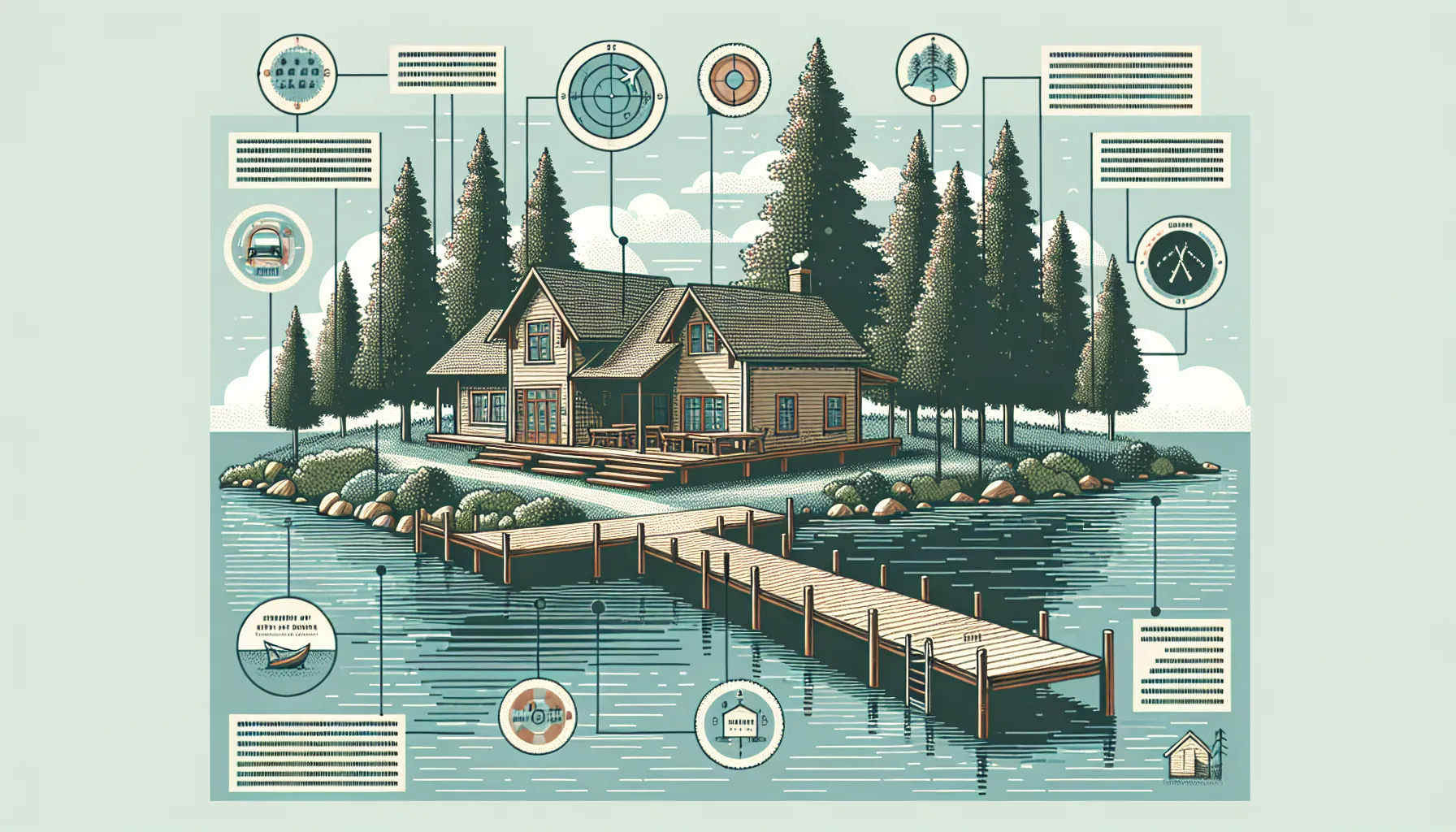
Protecting a second home presents distinct challenges compared to insuring a primary residence. Unlike standard homeowners insurance, which typically offers broad protection against a wide range of risks, second home house insurance often provides more limited coverage. This limited coverage is due to the property’s occasional use and increased risk factors, such as being vacant for extended periods. Home insurance cover for second homes is frequently written on a ‘named perils’ basis, meaning it only protects against specific events listed in the policy, rather than offering the comprehensive protection found in standard homeowners insurance. Do you ever wonder how insurance needs shift when a property is used for vacations or left vacant for long stretches?
Coverage Options and Restrictions
Second home policies tend to have stricter guidelines and often limit home coverage. For example, many exclude valuable items or reduce protection for vandalism and theft since properties may remain unoccupied. Home coverage for second homes is often more restricted and may be provided through a secondary home insurance policy, which typically excludes certain risks and damages such as natural disasters and maintenance issues. Most insurers require separate policies––your primary homeowners coverage rarely extends to a vacation home. If a property goes unmonitored, some providers may demand extra measures, like alarm systems, motion sensors, or even scheduled check-ins. Insurers may also require a vacancy endorsement or specialized vacant home coverage if the property is empty for more than 30–60 days. Second homes are more vulnerable to theft, vandalism, and undetected maintenance issues like burst pipes due to longer vacancy periods.
Water damage from frozen pipes or storm-related issues commonly face higher deductibles or exclusions. Swimming pools, docks, and detached garages sometimes come with defined limitations because of greater exposure to accidents or weather.
Have specific scenarios come up that you’re unsure about? Clear documentation of property use and adopting preventative safety steps help clarify what’s protected under your policy.
Premium Costs and Risk Factors
Second home insurance generally costs more than coverage for primary residences. The increased risk arises from longer vacancies, higher chances of burglary, exposure to environmental hazards in less frequently managed homes, and the potential for natural disasters such as storms, wildfires, or floods—especially if the property is located in a high-risk area. Premiums are generally higher for second homes due to increased risks associated with features like pools, hot tubs, and waterfront access. Additionally, second home insurance is often more expensive when the property is near water or in forested areas because of the elevated risk of damage from natural disasters.
Factors that impact the price include:
-
Location: Waterfront, rural, or isolated places see higher premiums due to weather risks, natural disasters, and response times.
-
Property Features: Amenities like pools, high-value contents, or rental activity cause rates to rise.
-
Building Materials: The materials used in construction can affect coverage costs and risk assessments.
-
Property Value: Changes in property value, occupancy status, or renovations should prompt a review and update of your insurance policy to ensure adequate protection.
-
Occupancy: Infrequent visits may require proof of regular checks or security upgrades.
The following table highlights key risk factors affecting premiums for second homes:
|
Risk Factor |
Why It Matters |
Impact on Premiums |
|---|---|---|
|
Extended Vacancies |
Increases burglary and unnoticed damage |
Raises costs |
|
Geographic Location |
Heightens storm, flood, wind, and natural disaster risks |
Raises costs sharply |
|
Security Measures |
Alarms, cameras, and patrols reduce risk |
Lowers costs |
|
Rental Activity |
Increases liability and wear |
Raises costs |
|
Building Materials |
Certain materials may be more susceptible to damage |
Can raise or lower costs |
|
Property Value |
Higher value or recent renovations require more coverage |
Raises costs |
Are you weighing second home insurance choices and wondering which factors put your home at higher risk? Reviewing these details with your agent often leads to more comfort and clarity around your policy terms.

Second homes need thoughtful insurance options that account for different usage patterns and risks. When considering a policy for your second home, it’s important to know that you may need a separate insurance policy or a specific policy for your second property, as most standard homeowners insurance does not automatically extend full coverage to secondary residences. You should purchase insurance with appropriate coverage limits and deductibles to ensure your property and assets are well protected. In some cases, you may also need to purchase additional coverage for risks not included in standard policies, such as flood or earthquake insurance. What do you want to protect most about your vacation home?
Named Perils vs. All-Risk Policies
Choosing between named perils and all-risk (open perils) policies is a key decision for second homeowners. Named perils policies cover losses only from a covered peril or covered event specifically listed in the policy, such as fire, theft, or storm damage. For example, if a guest accidentally starts a fire, or if a break-in occurs, the policy responds—if that incident appears on the list of covered events.
All-risk policies offer coverage for any loss except those specifically excluded. This approach helps protect against unpredictable events, giving broader reassurance. Exclusions might include normal wear and tear or flood damage, which may not be a covered peril under standard policies. Have you considered which risks feel most pressing for your second home? It’s also important to determine how much coverage you need based on the value of your property and belongings to ensure you are fully protected.
Vacant Home Insurance and Seasonal Coverage
Second homes sometimes stay empty for weeks or months, and standard policies often exclude coverage for vacant properties. Vacant home insurance steps in when properties remain unoccupied, protecting against theft, vandalism, and certain weather events during those periods. Insurers might require extra precautions, such as installing security systems or arranging regular property checks.
Seasonal coverage suits homes that are unoccupied only part of the year, like vacation homes used each summer or winter. This type of protection activates when you’re away, providing peace of mind and significant financial protection against unexpected incidents. How often do you leave your second home unoccupied? Thinking about this can help match your coverage to your real-life habits.
Important Considerations When Insuring a Second Home
Second home insurance involves factors different from protecting your primary residence. Where your second home is located plays a major role in determining the types of risks and coverage you need. For example, if your second home is located in a flood-prone area or is a waterfront property, you may need to purchase separate flood insurance, as standard policies typically do not cover flood damage. We recognize that every second property has its own set of circumstances, especially when it comes to unique features like boathouses or proximity to bodies of water. What questions do you have about your vacation home’s risks?
Location and Usage Patterns
Location and usage patterns shape insurance needs for second homes. Property in flood zones or coastal regions faces higher weather-related risks, so coverage needs increase in those areas. Homes used only seasonally or left vacant for weeks face greater burglary and vandalism threats compared to frequently occupied houses. Do you visit your second home often, or does it sit empty for long stretches? Letting us know how often the property is used helps us recommend insurance options that better suit your situation.
Security Measures and Preventive Steps
Security measures and preventive steps lower risk for second homes. Installing a monitored alarm system, along with exterior lighting or surveillance cameras, discourages break-ins and speeds up emergency response. Insurance companies often offer savings or lower premiums when you install an alarm system, as it reduces the risk of loss. Asking a neighbor to check the property or scheduling regular professional inspections can reveal issues like leaks early, reducing claim costs. Do you have safeguards in place, or are you looking for ideas to protect your investment? We’re here to help outline basic improvements or advanced solutions for greater peace of mind.
Tips for Choosing the Right Insurance Provider
Selecting coverage for a second home brings its own set of questions and concerns. An insurance company plays a key role in providing coverage and managing the unique risks associated with second homes. We recognize that every property and homeowner faces different risks. Consulting an insurance agent can help you understand your coverage options and navigate the complexities of second home house insurance. How do you know you’re choosing wisely? Consider these steps as you compare options and look for greater value from your insurer, including asking about multiple discounts. Many insurance companies offer multiple discounts, such as savings for bundling policies, paying your annual premium in full, or setting up automatic payments, which can help lower your overall premium.
Comparing Quotes and Coverage Details
Reviewing quotes from several insurers gives you a sense of the market. Some companies offer broad coverage, while others specialize in properties like vacation homes. Focus on the fine print in each quote. Does coverage include protection against theft, vandalism, flooding, or windstorms? Are valuable items, such as electronics or sporting equipment, listed specifically? Coverage limits, deductibles, and exclusions all differ by provider.
Check if the insurer asks for added safety features. Many companies prefer security systems, monitoring, or regular property checks for second homes left vacant for months. Comparing these details helps you ask better questions and choose a policy that matches your needs. Which features matter most to you when it comes to feeling secure about your property and investment?
Bundling and Discounts
Bundling insurance policies is a common way to save. Purchasing your second home house insurance from the same insurer as your primary policy can lead to multiple discounts, as many providers offer bundling benefits. Bundling your second home insurance with auto or other policies can often lead to significant discounts on your premiums. Always check if bundling impacts the coverage for your second home or if there are any exclusions you should know about.
Find out if insurers reward other risk-reducing steps. Installing a monitored alarm, scheduling regular inspections, or using smart home devices may lower premiums further. Some companies provide discounts for clients with long-standing accounts or favorable claim histories.
Have you explored these bundling options with your current provider? Would additional savings or simplified management make you feel more comfortable about your insurance strategy for both homes?
Conclusion
Protecting our second home means more than just locking the doors when we leave. With the right insurance strategy, we can enjoy peace of mind knowing we’ve covered the unique risks these properties face. By staying proactive about our coverage options and regularly reviewing our policy details, we make sure our investment stays safe and our getaways remain worry-free.
Frequently Asked Questions
What makes second home insurance different from primary home insurance?
Second home insurance typically has stricter guidelines and higher premiums because these properties are often left vacant and are more vulnerable to risks like theft and environmental damage. Coverage may be more limited, especially for valuables and vandalism, and insurers may require extra safety measures.
Does my primary homeowners insurance policy cover my vacation home?
In most cases, your primary homeowners insurance does not extend coverage to a second home. You usually need to purchase a separate policy specifically for your vacation property.
What risks are higher for second homes compared to primary residences?
Second homes face higher risks of burglary, vandalism, and weather-related damage due to longer periods of vacancy. Their location, such as coastal or isolated areas, can also increase exposure to environmental hazards.
What types of insurance policies are available for second homes?
Common options include named perils policies, which cover only listed risks, and all-risk (open perils) policies, which cover most risks unless excluded. Vacant home insurance is needed for properties left unoccupied for extended periods, while seasonal coverage works for homes used part of the year.
How can I reduce the cost of insuring my second home?
You can lower your insurance costs by installing security systems, using smart locks, and scheduling regular inspections. Bundling your coverage with your primary home or auto insurance can also help you get discounts.
Are there special requirements for insurance on vacant second homes?
Yes, insurers often require security upgrades like alarm systems or regular property inspections. Some standard policies may not cover properties left vacant for an extended period, so a vacant home policy may be necessary.
What should I consider when comparing insurance providers for a second home?
Compare quotes from multiple insurers and look closely at coverage limits, exclusions, and special requirements. Ask about discounts for risk-reducing measures and bundling policies. Always read the policy details carefully before choosing.
How does location affect second home insurance rates?
Homes in areas prone to flooding, hurricanes, or wildfires usually have higher premiums due to increased risk. Insurers may also limit coverage in such areas or require specific risk management measures.
When is seasonal home insurance a better option?
Seasonal home insurance is ideal when you only use your property a few times a year. It provides coverage while the home is unoccupied, protecting your investment during periods when you’re not there.
What steps can I take to protect my second home?
Install security alarms, use strong door and window locks, and arrange regular property checks. Document your home’s use and maintenance to help with claims and demonstrate responsible ownership to your insurer.